


As Indian cities continue to densify, urban homes have steadily shrunk in size. What was once considered compact is now standard. As a result, interior design has evolved beyond visual appeal. Today, it focuses on solving real spatial challenges. Designing for Smaller Homes is no longer about compromise. Instead, it is about making limited square footage feel purposeful, comfortable, and emotionally balanced.
Smarter Layouts for Flexible Living
One of the most visible shifts in compact residences lies in spatial planning. Instead of rigid, clearly divided rooms, designers now create fluid layouts. Living rooms seamlessly merge with dining areas. Bedrooms often double as workspaces.
This approach improves movement while allowing natural light to travel deeper into the home. Consequently, interiors feel larger and less restrictive. Flexibility has become essential, not optional.

Integrated Storage That Reduces Visual Clutter
In compact homes, clutter can overwhelm a space quickly. Therefore, storage is no longer an afterthought—it is embedded within the architecture itself.
Beds include concealed drawers. Full-height wardrobes maximise vertical space. Built-in units blend into walls to maintain visual continuity. When designers plan storage early, they eliminate the need for bulky furniture. As a result, the home feels calmer and more organised.
This strategy plays a crucial role in Designing for Smaller Homes, where every square foot must perform efficiently.
Materials, Furniture and Lighting That Enhance Space
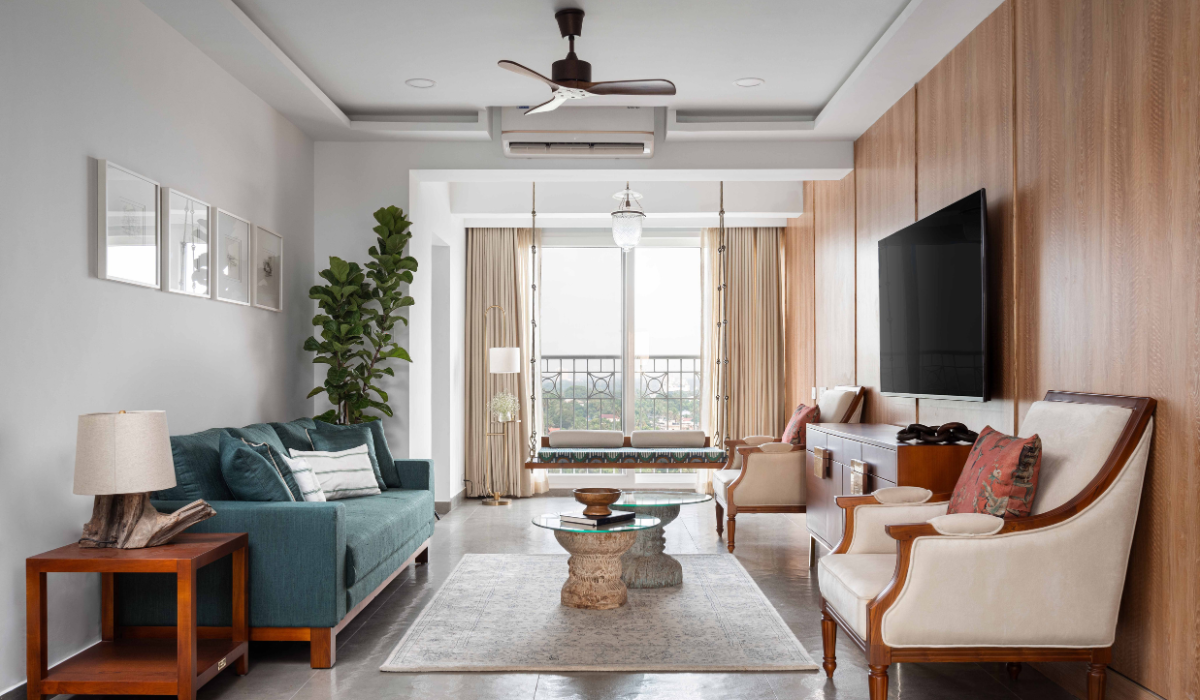
Material and colour selection directly influence how spacious a home feels. Lighter tones, warm neutrals, and natural finishes create an airy atmosphere without appearing sterile. Meanwhile, reflective surfaces such as glass or subtle polished finishes enhance brightness without overwhelming the room.

Furniture has also adapted to smaller footprints. Oversized pieces are giving way to slim-profile sofas, extendable dining tables, and modular seating. These elements allow residents to adjust their homes based on daily routines or social gatherings.
Equally important is lighting. Layered lighting—combining ambient, task, and accent sources—defines zones without physical partitions. Warm lighting adds depth, while focused lights improve usability in kitchens and work corners. When planned thoughtfully, lighting transforms even the smallest residence.
Ultimately, Designing for Smaller Homes demands adaptability, restraint, and foresight. It ensures that compact homes remain functional without feeling crowded or over-designed.
In addressing India’s space crunch, interior design has shifted from pure aesthetics to purposeful problem-solving. Through strategic planning and thoughtful detailing, Designing for Smaller Homes enables compact residences to feel generous, efficient, and complete.

Also Read:
Bespoke and Opulent Bar Design Redefined by 42MM Architecture
Concrete Heaven, New Delhi | Sculpt Design Studio
7 Refined Soft Furnishings Elevating Cozy Home Interiors

Biltrax Construction Data is tracking 37,000+ projects on their technology platform for their clients.
Get exclusive access to upcoming projects in India with actionable insights. Furthermore, gain a competitive advantage for your products in the Indian Construction Market.
Visit www.biltrax.com or email us at contact@biltrax.com to become a subscriber and generate leads.
Disclaimer: The information herein is based upon information obtained in good faith from sources believed to be reliable. All such information and opinions can be subject to change. Furthermore, The image featured in this article is for representation purposes only. It does not in any way represent the project. If you wish to remove or edit the article, please email editor@biltrax.com.
 0
0Discover more from Biltrax Media, A Biltrax Group venture
Subscribe to get the latest posts sent to your email.