


The idea of quiet luxury in architecture is often reduced to a visual language—muted palettes, minimal detailing, and the absence of visible branding. However, in architecture and interior design, it demands a far more fundamental shift in thinking. It reflects how designers and decision-makers define value, respond to context, and guide the built environment.
In India, this shift is closely tied to economic evolution. Earlier generations did not view luxury as part of everyday life. Instead, they focused on stability, savings, and survival. Even when resources were available, spending remained measured. This began to change after the late 1990s, when the Indian economy opened up to globalization. As incomes rose and global exposure increased, aspirations evolved.
For a period, architecture became a visible marker of success—larger homes, imported materials, and expressive design choices signaled achievement. However, as the market matured, the mindset evolved as well. The question is no longer how much can be shown, but how well can a space be designed. In this article with Biltrax Media, Kanwarpreet Khurana, Principal Architect, Ideal Arch, explores how quiet luxury in architecture has emerged as a necessary shift, moving society from display to discernment.

Designing for Performance, Not Display
In architectural planning, quiet luxury demands discipline. It challenges the assumption that scale equals quality. Instead, it prioritizes spatial intelligence—how a space functions, breathes, and adapts to its environment.
Natural light, ventilation, proportion, and movement now form the foundation of good design. Climate-responsive strategies such as orientation, shading, and passive cooling are no longer optional add-ons; they are essential decisions. Although these elements are not always visible, they define the true performance of a space.
Material Honesty and Lasting Value in Quiet Luxury in Architecture
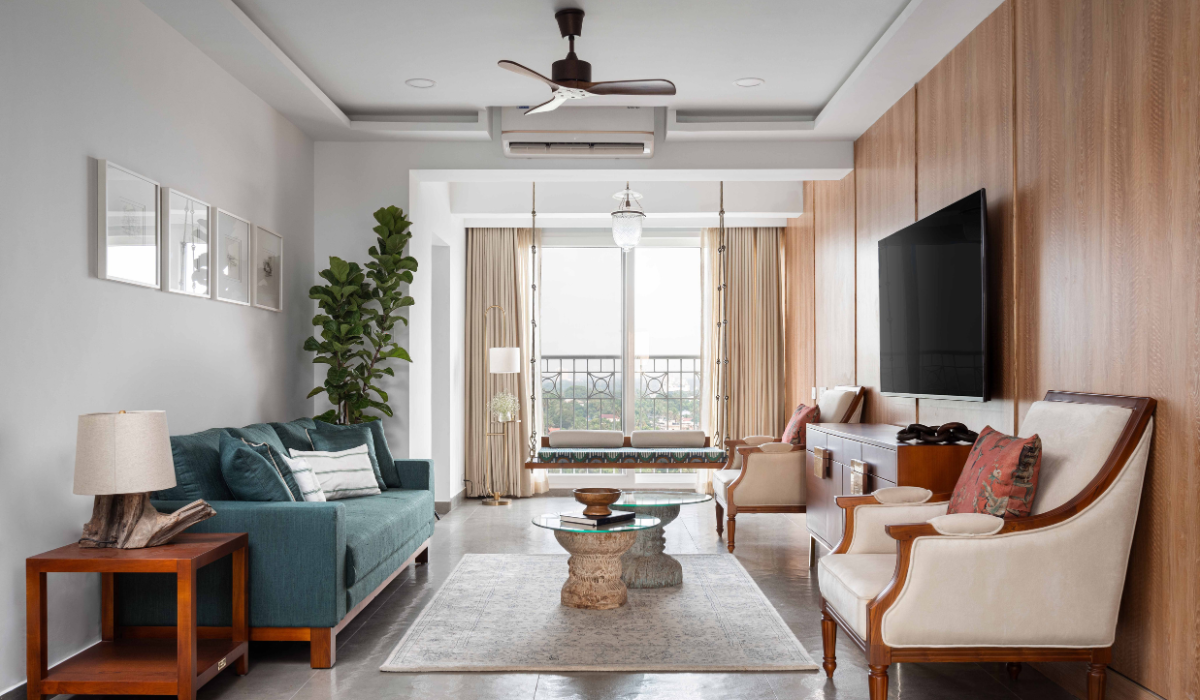
Material selection also reflects this shift. Earlier, luxury was often associated with expensive, high-gloss finishes. Today, that approach feels outdated. Quiet luxury in architecture prioritizes materials that are honest, durable, and contextually appropriate. Designers choose stone, wood, lime plaster, and handcrafted elements for their ability to endure. These materials age with dignity and add depth over time.

This approach demands a higher level of detailing and execution. When design is restrained, excess cannot mask flaws. As a result, precision becomes critical.
Evolving Client Preferences and Architectural Responsibility
As industry leaders, architects must move beyond superficial definitions. Sustainability, much like quiet luxury, depends on informed, context-driven decisions. It requires questioning sourcing, transportation, durability, and long-term impact.
At the same time, client preferences are evolving. Earlier, architecture often served as a public statement of wealth. Today, many clients prefer privacy, comfort, and personalization. They increasingly value inward-looking spaces, where experience matters more than impression. This shift creates an opportunity for architects to lead. They must shape narratives that reflect individuality rather than status.


Ultimately, quiet luxury in architecture redefines the role of design itself. It shifts the conversation from cost to quality, from visibility to experience, and from short-term impact to long-term value.
In a rapidly evolving country like India, this approach signals a more mature direction. It acknowledges growth but resists the need to display it. Instead, it focuses on creating spaces that are thoughtful, enduring, and deeply connected to their context.
Also Read:
Designing Flow: Structural Planning for Seamless Patient Experience in Healthcare
The Shift, Gurugram | Custom Design Stories
Alabaster Lighting Designs That Combine Stone and Illumination

Biltrax Construction Data is tracking 38,000+ projects on their technology platform for their clients.
Get exclusive access to upcoming projects in India with actionable insights. Furthermore, gain a competitive advantage for your products in the Indian Construction Market.
Visit www.biltrax.com or email us at contact@biltrax.com to become a subscriber and generate leads.
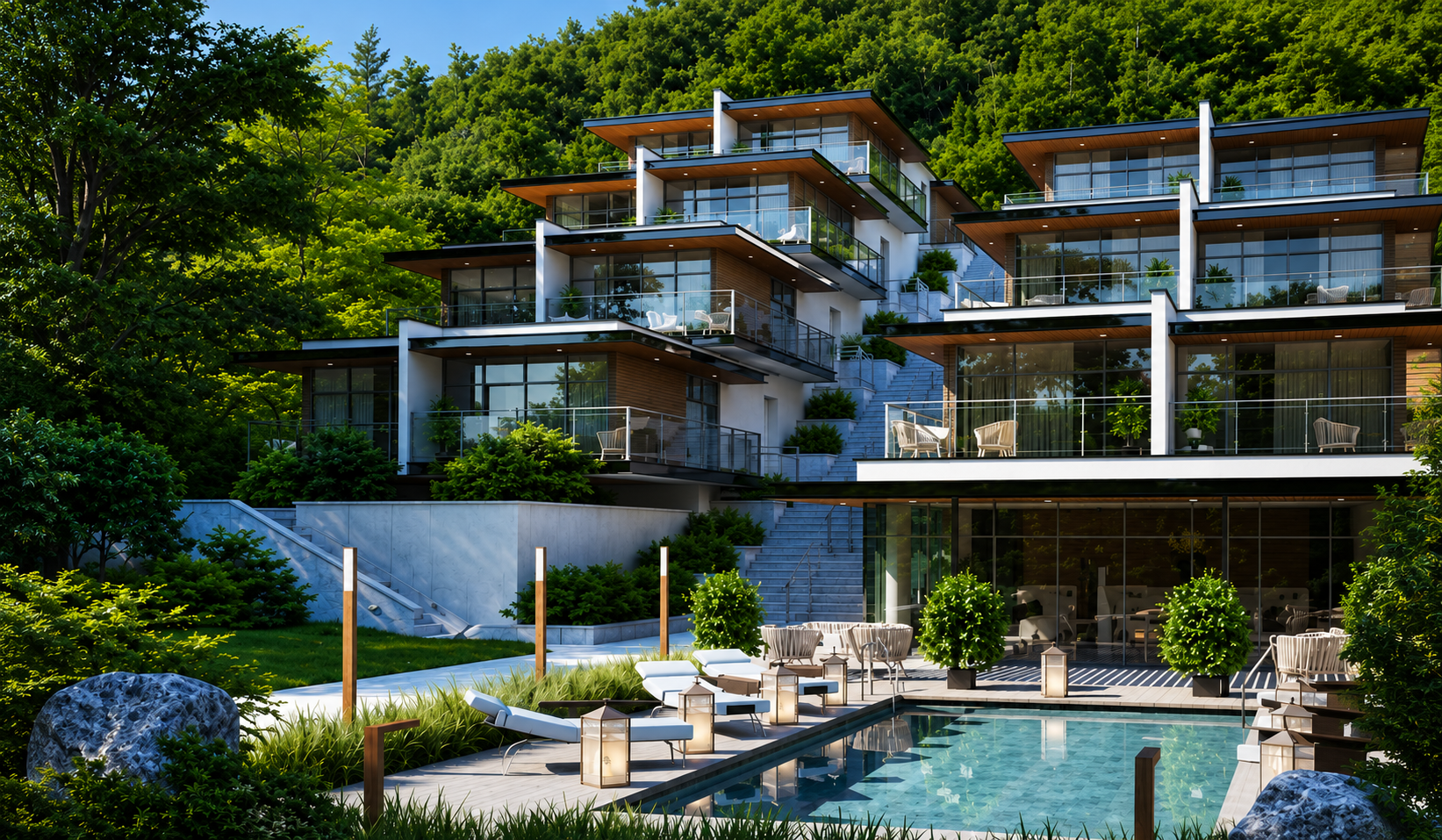
Disclaimer: The information herein is based upon information obtained in good faith from sources believed to be reliable. All such information and opinions can be subject to change. Furthermore, The image featured in this article is for representation purposes only. It does not in any way represent the project. If you wish to remove or edit the article, please email editor@biltrax.com.
 0
0Discover more from Biltrax Media, A Biltrax Group venture
Subscribe to get the latest posts sent to your email.