

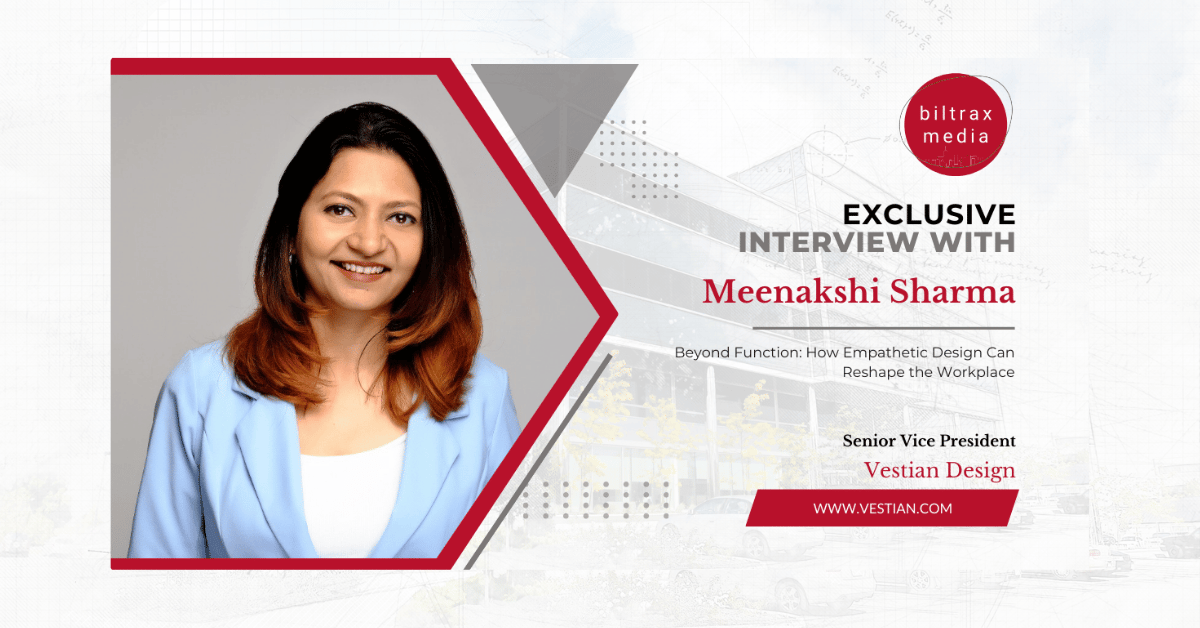
Spatial design is undergoing a significant shift today. What was once a purely function-driven approach is now governed by human experience, informed by their behavioural patterns and how they support performance. Cultural diversity adds another layer of complexity and becomes a key driver in designing spaces for success. In an era where attention spans are shorter and expectations are higher, the real challenge lies in creating environments that leave a lasting impression. But could experiences be created at a more subtle level, where the value lies not in form and function alone, but something more intrinsic?
The simplest way to create an empathetic workplace is to start with the people we’re designing for. When we tap into both the emotional and functional needs of users, spaces begin to resonate—and stay with them. This people-centric design approach is about inclusion, ensuring individuals feel seen, valued, and celebrated. Empathetic design transforms space into an experience, and that experience into meaning. That’s where true design value begins.
Through research and analysis of existing user data, a design proposition can be developed for spaces that cater to the unique needs of diverse groups. Empathetic design invites users and stakeholders to become co-creators, ensuring that the design of workspaces reflects their aspirations while actively addressing pain points. The result is not a one-size-fits-all solution, but a responsive, iterative process—one that adapts to the complexity of human behaviour and allows for more fluid, human-centred outcomes.

Understanding who we’re designing for
Identifying key user groups requires shifting from a generalist’s perspective to one that is specific and nuanced. To engage a diverse group and, more importantly, retain them, an organisation must work with hard data. These further include gender, age, disability, neurodivergence, cultural, ethnic, and other relevant factors. Analysing these diverse groups sheds light on sensitive areas that need design attention. These can become physical manifestations of the organisation’s DEI vision and also promote equity.
Context, interaction, and case studies
Empathetic design begins with research. By analysing user data across various demographics, including gender, age, disability, neurodivergence, ethnicity, and more, designers can gain insight into the specific needs of diverse groups. This approach moves design beyond generalisation toward greater nuance and relevance.
Understanding how people engage with their environment requires dialogue. Surveys, in-person interviews, post-occupancy evaluations, and feedback from Employee Resource Groups all reveal how a space is truly performing—and where it may fall short.

Rather than designing for tasks alone, empathetic design pays close attention to individual behaviour and preferences. Are certain roles more collaborative? Does the work require quiet, low-stimulus areas? What amenities or support spaces might enhance wellbeing and performance? These questions are central to defining environments that feel right and function well.
Representation tackles pain points
According to the Observer Research Foundation, about 135 million people are reported to belong to the LGBTQIA+ community in India. This makes up 10% of the country’s population. A study by the Deloitte Center for Integrated Research shows that about 10 to 20% of the global population is considered neurodivergent. People with physical disabilities also form a significant part of today’s workforce.
The absence of inclusive features—like accessible or appropriately designated toilets—can make workspaces unwelcoming and inaccessible to certain user groups. When key areas lack consideration for gender or accessibility needs, they risk becoming exclusionary, even hostile, rather than supportive and inclusive.
Function is specific to tasks, but not to individuals
Behaviour is an individual response, and every response contributes to shaping culture. When spaces are designed with a behaviour-focused strategy rather than an activity-based strategy, they resonate with various groups, giving rise to company culture.
Since individuals perform differently in every environment, the ambience—whether highly collaborative or quiet and low-stimulus—supports varied working styles. Creating positive associations between people and their workplace encourages them to drive the culture. This is especially critical in attracting and retaining diverse talent.
Some key principles of empathetic workplace design include:
- Adaptability: Spaces should be flexible, accommodating shifting functions. They should further offer a balance of collaborative zones, focused work areas, and creative labs supporting a diverse range of work styles.
- Identity: Design elements like colour, texture, and branding foster connection, offering a sense of belonging that goes beyond utility.
- Recuperation zones: In tech-saturated environments, restorative spaces are essential. Biophilic elements, natural materials, calming acoustics, and daylight help counterbalance overstimulation and support wellbeing.

Empathetic design isn’t about checking off a box. It is an evolving people-first approach that considers shifting needs, cultures, and behaviours of people who use a space. As diversity, expectations, and modes of work continue to evolve, empathetic design becomes essential in creating better environments and experiences that grow with the people they serve.
Also Read:
Sun-Kissed Spaces: Balancing Aesthetics and Functionality in Humid Climates
Duroply’s “The Kohinoor of Veneers”
International Tech Park, Chennai | Morphogenesis

Biltrax Construction Data is tracking 37,000+ projects on their technology platform for their clients.
Get exclusive access to upcoming projects in India with actionable insights. Furthermore, gain a competitive advantage for your products in the Indian Construction Market.
Visit www.biltrax.com or email us at contact@biltrax.com to become a subscriber and generate leads.
Disclaimer: The information herein is based upon information obtained in good faith from sources believed to be reliable. All such information and opinions can be subject to change. Furthermore, The image featured in this article is for representation purposes only. It does not in any way represent the project. If you wish to remove or edit the article, please email editor@biltrax.com.
 0
0Discover more from Biltrax Media, A Biltrax Group venture
Subscribe to get the latest posts sent to your email.