

For decades, the construction industry has relied on concrete, steel, bricks, and timber as its primary building materials. While these materials continue to form the backbone of modern construction, evolving environmental regulations, resource constraints, and changing project requirements are driving the industry to explore new alternatives.
Today, developers and contractors are under increasing pressure to construct buildings that are not only stronger and faster to build but also more energy-efficient and environmentally responsible. At the same time, architects are looking for materials that offer greater design flexibility without compromising structural performance.
As a result, innovative building materials are gradually moving from research laboratories to real-world construction sites. Some are already being used in bridges, airports, hospitals, and commercial developments, while others remain in the early stages of commercial adoption. Each material addresses a different challenge, whether it is improving durability, reducing carbon emissions, enhancing insulation, or lowering maintenance costs.
This article explores seven innovative building materials that are influencing the future of construction. Alongside their features and applications, it also examines their commercial availability, adoption in India, approximate cost implications, expected lifespan, and practical suitability across different project types.
Why Are Construction Materials Changing?
The shift towards innovative materials is not simply about introducing new products. It reflects broader changes in how buildings are designed, constructed, and operated.
Governments worldwide are introducing stricter sustainability regulations, while developers are targeting green building certifications such as LEED, IGBC, and GRIHA. At the same time, rising labour costs and increasing demand for faster project delivery have encouraged the industry to adopt materials that simplify construction and reduce maintenance.
Climate resilience has also become a key consideration. Buildings today must withstand higher temperatures, extreme rainfall, coastal conditions, and increasing urbanisation. Consequently, materials that improve durability, reduce embodied carbon, or enhance operational efficiency are gaining greater attention.
Although conventional concrete and steel will continue to dominate construction for decades, innovative materials are increasingly complementing them in specialised applications where performance, sustainability, or lifecycle cost offers a measurable advantage.
1. Self-Healing Concrete: Reducing Repairs Through Autonomous Crack Repair

Hairline cracks are almost inevitable in concrete structures. While many remain harmless initially, they gradually allow water, chlorides, and chemicals to penetrate the structure, accelerating reinforcement corrosion and reducing service life.
Self-healing concrete addresses this challenge by incorporating specialised bacteria, capsules, or chemical healing agents within the concrete mix. When cracks develop and moisture enters, these agents activate and produce minerals such as calcium carbonate that naturally seal the crack before it expands.
Unlike many emerging technologies, self-healing concrete has already progressed beyond laboratory testing. Countries including the Netherlands, Japan, and the United Kingdom have incorporated it into pilot bridge projects, tunnels, water-retaining structures, and marine infrastructure where maintenance is expensive and disruptive.
In India, adoption remains limited but steadily growing. Research institutions such as IIT Madras and IIT Hyderabad, along with infrastructure agencies, have evaluated different self-healing technologies for applications requiring extended service life.
Cost is one of the primary barriers. Depending on the healing technology, self-healing concrete can cost approximately 20–50% more than conventional concrete. However, the higher upfront investment can often be offset by significantly lower maintenance and repair costs over the building’s lifecycle. This makes it particularly attractive for bridges, metro tunnels, dams, reservoirs, coastal structures, and underground utilities where repairs are technically challenging and expensive.
Rather than replacing conventional concrete entirely, self-healing concrete is expected to serve as a premium solution for critical infrastructure where durability and lifecycle performance outweigh initial construction costs.
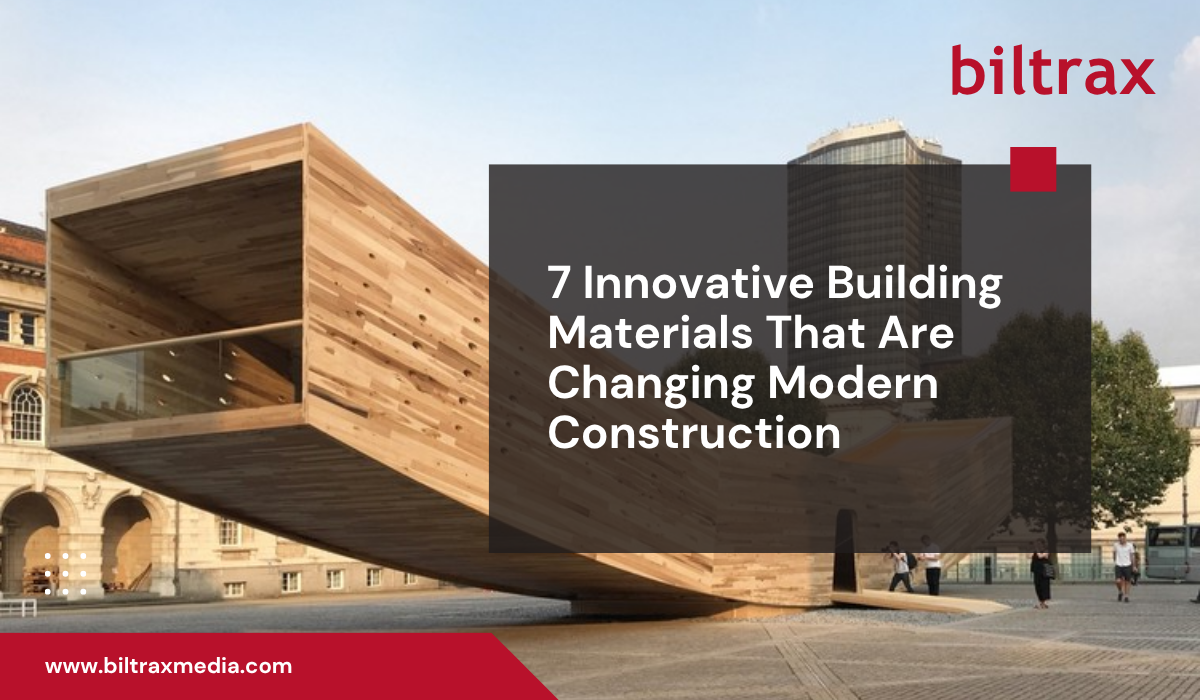
2. Cross-Laminated Timber (CLT): Rethinking Timber Construction for Modern Buildings
Timber has been used in construction for centuries. However, Cross-Laminated Timber (CLT) has transformed it into a structural material capable of supporting multi-storey buildings. Unlike conventional timber, CLT is manufactured by bonding multiple layers of lumber at right angles under high pressure. This crosswise arrangement improves structural strength, dimensional stability, and load-bearing capacity while reducing expansion and shrinkage caused by moisture.
Today, CLT has become a commercially established material across several countries. Austria, Germany, Sweden, Norway, Canada, the United Kingdom, and Australia have widely adopted it for residential buildings, schools, offices, hotels, and institutional developments. Some projects have even demonstrated its capability in high-rise construction, with timber buildings exceeding 18 storeys.
One of CLT’s biggest advantages is construction speed. Since panels are prefabricated in factories using digital manufacturing techniques, they arrive on site ready for installation. This reduces construction time, minimises material waste, and lowers labour requirements compared to conventional reinforced concrete construction. In dense urban environments, shorter construction schedules can also reduce disruption to surrounding areas.

From a sustainability perspective, CLT stores carbon throughout its service life because the timber continues to retain the carbon absorbed by trees during growth. When sourced from responsibly managed forests, it offers a significantly lower embodied carbon footprint than concrete or steel, making it an attractive option for developers pursuing green building certifications.
Despite these advantages, CLT has not yet achieved widespread adoption in India. Domestic manufacturing remains limited, and most engineered timber products are imported, resulting in higher costs than conventional RCC structures. In addition, Indian building codes and construction practices continue to favour reinforced concrete for most large developments. Nevertheless, architects have begun exploring CLT for premium villas, hospitality projects, educational campuses, and wellness retreats where sustainability, aesthetics, and faster construction offer clear value.
Cost remains another important consideration. Depending on the project and sourcing location, CLT can cost 20–40% more than conventional structural systems. However, savings from faster construction, reduced foundation loads, and lower labour requirements often offset part of the initial investment, particularly for mid-rise buildings.
Although CLT can achieve a service life of 50–100 years with proper detailing and maintenance, it is not intended to replace reinforced concrete in every project. Instead, it performs best where lightweight construction, sustainability, and architectural flexibility are key priorities.
As India’s focus on low-carbon construction grows, CLT is likely to find increasing applications in institutional buildings, tourism infrastructure, and premium residential developments rather than mainstream urban housing.
3. Graphene-Enhanced Concrete: Making Concrete Stronger, Lighter and More Durable
Concrete remains the world’s most widely used construction material. However, researchers and manufacturers are continuously working to improve its strength, durability, and environmental performance. One of the most promising developments is graphene-enhanced concrete, which incorporates microscopic graphene particles into conventional concrete mixes.
Graphene is a single layer of carbon atoms arranged in a hexagonal lattice. Despite being only one atom thick, it is one of the strongest materials discovered. When added in very small quantities, graphene improves the internal microstructure of concrete, reducing porosity while increasing compressive strength, tensile performance, and resistance to cracking.
Unlike several experimental materials, graphene-enhanced concrete has already entered commercial applications. Companies and infrastructure agencies in the United Kingdom, Singapore, the United Arab Emirates, and parts of Europe have begun using it for bridges, pavements, precast elements, and commercial buildings. The material is particularly attractive where higher structural performance can reduce the overall quantity of concrete required.
Its environmental benefits are equally significant. Since stronger concrete allows designers to optimise structural members, projects may require less cement. Given that cement manufacturing contributes approximately 7–8% of global carbon emissions, even modest reductions in cement consumption can substantially lower a project’s embodied carbon footprint.

India has also started exploring graphene-based construction materials. Several domestic graphene manufacturers, research organisations, and engineering institutes are collaborating to evaluate its application in infrastructure and building projects. Although commercial adoption remains at an early stage, interest is growing due to the country’s large infrastructure pipeline and emphasis on sustainable construction.
Graphene-enhanced concrete typically costs more than conventional concrete because graphene production remains relatively expensive. However, the cost premium continues to decline as manufacturing technologies improve. More importantly, improved durability, reduced maintenance, and lower material consumption can generate significant lifecycle savings for bridges, industrial facilities, high-rise buildings, and transport infrastructure.
The material also offers an expected service life exceeding 100 years under appropriate design conditions. Rather than replacing conventional concrete altogether, graphene is expected to become a performance-enhancing additive for structures where durability, reduced maintenance, and long-term resilience justify the additional investment.
For India, graphene-enhanced concrete could become particularly valuable in coastal infrastructure, metro systems, highways, airports, and industrial developments that operate under demanding environmental conditions.
4. Aerogel Insulation: Maximising Thermal Performance with Minimal Thickness

As buildings become more energy efficient, insulation has evolved from a secondary consideration into a core design requirement. Whether in commercial towers, hospitals, airports, or industrial facilities, effective insulation directly influences energy consumption, occupant comfort, and operational costs. Among the newest insulation materials, aerogel stands out for delivering exceptional thermal performance while occupying only a fraction of the space required by conventional insulation.
Aerogel is an ultra-light, porous material created by replacing the liquid component of a gel with air without collapsing its internal structure. Often referred to as “frozen smoke” because of its translucent appearance and extremely low density, aerogel consists of nearly 95–99% air. Despite this, it provides one of the lowest thermal conductivity values among commercially available insulation materials.
Unlike many emerging materials that remain confined to research laboratories, aerogel insulation is already commercially available and has established applications worldwide. It is widely used in oil and gas facilities, cryogenic storage, aerospace engineering, data centers, pharmaceutical plants, and high-performance buildings where space constraints make conventional insulation impractical. Major airports, hospitals, museums, and industrial facilities have also adopted aerogel insulation to improve energy efficiency without increasing wall thickness.
The material is particularly valuable in retrofit projects. Older buildings often cannot accommodate thick insulation boards because of structural or architectural constraints. Since aerogel achieves similar or better thermal performance with significantly less thickness, it allows architects to upgrade building envelopes without sacrificing usable floor space or altering façade aesthetics.
India has witnessed the gradual adoption of aerogel, particularly within industrial sectors. Refineries, LNG terminals, power plants, and pharmaceutical facilities have already incorporated aerogel insulation for process piping and high-temperature equipment. In the building sector, however, its use remains limited to premium commercial developments, laboratories, clean rooms, and specialised green buildings where performance outweighs initial cost considerations.

Cost remains the biggest obstacle to widespread adoption. Aerogel insulation can cost five to ten times more than conventional mineral wool or expanded polystyrene insulation, depending on the product type and application. Consequently, it is currently unsuitable for large-scale affordable housing or standard residential developments. However, when lifecycle energy savings, reduced maintenance, and improved building performance are considered, aerogel often proves economically viable for high-value projects with stringent energy efficiency targets.
Another advantage is durability. Most aerogel insulation products offer a service life of more than 50 years while maintaining consistent thermal performance. They also exhibit excellent resistance to moisture, mould growth, and fire, making them suitable for demanding operating environments.
Although aerogel is unlikely to replace conventional insulation across every building type, designers and engineers are expected to use it increasingly in hospitals, airports, laboratories, semiconductor facilities, data centers, and net-zero buildings, where every millimetre of space and every unit of energy saved contributes to long-term operational efficiency.
5. Carbon-Negative Bricks: Turning Construction into a Carbon Storage Solution
The construction industry has traditionally viewed bricks as a source of embodied carbon rather than a means of reducing it. Conventional fired clay bricks require high-temperature kilns that consume significant amounts of energy while releasing considerable greenhouse gas emissions. Carbon-negative bricks challenge this approach by capturing and storing carbon dioxide during manufacturing instead of releasing it.
Unlike traditional masonry products, carbon-negative bricks are manufactured using alternative binders, recycled industrial waste, mineral carbonation technologies, or bio-based materials. During production, carbon dioxide reacts with specific minerals to form stable carbon compounds that remain permanently locked within the brick. As a result, the manufacturing process can remove more carbon dioxide from the atmosphere than it emits, creating a net-negative carbon footprint under suitable production conditions.
Although the technology remains relatively new, commercial adoption has already begun in countries including the United States, Canada, the United Kingdom, and Australia. Several manufacturers now produce carbon-negative masonry products for residential, commercial, and institutional developments, particularly where developers aim to reduce embodied carbon and achieve green building certifications.

India is also beginning to explore low-carbon masonry alternatives. While fully carbon-negative bricks are not yet widely available, several startups and material manufacturers have introduced products made from fly ash, construction waste, steel slag, and other industrial by-products that significantly reduce environmental impact compared to conventional fired clay bricks. Growing government emphasis on circular construction and sustainable manufacturing could accelerate commercial adoption over the coming years.
From a performance perspective, carbon-negative bricks are designed to meet structural and durability requirements comparable to conventional masonry products. Many products also offer improved thermal insulation, helping reduce operational energy consumption throughout a building’s life. Depending on the manufacturing technology, their expected lifespan is generally comparable to traditional masonry, often exceeding 75–100 years under normal service conditions.
Cost varies considerably because manufacturing technologies are still evolving. Some products remain slightly more expensive than conventional clay bricks, while others achieve cost competitiveness by utilising locally available industrial waste streams. As production scales increase, prices are expected to become increasingly comparable with traditional masonry materials.
Carbon-negative bricks are unlikely to replace every conventional brick immediately. Availability, manufacturing capacity, certification, and regional supply chains continue to limit large-scale deployment. However, they present significant opportunities for educational campuses, commercial developments, public buildings, and environmentally conscious residential projects where reducing embodied carbon has become an important design objective.
6. Transparent Wood: Reimagining Glass for Sustainable Building Design

Glass has become an essential element of modern architecture, allowing natural light to enter buildings while creating visually open spaces. However, conventional glass also presents several challenges. It requires significant energy to manufacture, contributes to heat gain, and can be fragile under impact. Transparent wood has emerged as a promising alternative that combines the strength of timber with the light-transmitting properties of glass.
Transparent wood is manufactured by removing lignin, the component responsible for wood’s natural colour, and replacing it with a transparent polymer. This process preserves the wood’s cellular structure while allowing light to pass through the material. The result is a lightweight panel that diffuses natural light while maintaining much of wood’s inherent strength.
Unlike several materials already entering mainstream construction, transparent wood remains largely in the research and pilot stage. Universities and research organisations in Sweden, the United States, and China have led much of its development, demonstrating its potential for glazing systems, façades, skylights, and energy-efficient building envelopes. However, commercial production is still limited, and the material has not yet reached widespread construction markets.
One of its biggest advantages is thermal performance. Compared to conventional glass, transparent wood offers better insulation because of its cellular structure. It also diffuses sunlight more evenly, reducing glare while allowing natural daylight to illuminate interior spaces. This combination has the potential to lower heating, cooling, and lighting demands, particularly in energy-efficient buildings.

The material also exhibits higher impact resistance than conventional glass, making it less prone to shattering under mechanical stress. Additionally, because wood acts as a renewable resource, transparent wood offers a significantly lower environmental footprint when sourced from sustainably managed forests.
In India, transparent wood is currently not available for commercial construction. Research activity remains limited, and no large-scale domestic manufacturers are producing architectural-grade transparent wood panels. As a result, it is unlikely to appear in mainstream projects in the immediate future.
Cost also remains a major barrier. Since production involves specialised chemical treatment and polymer impregnation, transparent wood is substantially more expensive than conventional glazing materials. Until manufacturers expand production capacity, mycelium is expected to remain a premium, research-driven material rather than a commercially competitive alternative.
Although transparent wood will not replace glass in the near future, it demonstrates how bio-based materials could reshape façade systems over the coming decades. As production technologies mature and costs decline, architects may increasingly consider transparent wood for sustainable buildings that prioritise daylight, energy efficiency, and reduced embodied carbon.
7. Mycelium-Based Materials: Growing Building Materials from Nature

Among all emerging construction materials, mycelium is perhaps the most unconventional. Instead of being mined, manufactured, or chemically processed, it is grown using the root structure of fungi. When combined with agricultural waste such as straw, hemp, or sawdust, mycelium binds these fibres together into lightweight, biodegradable building components.
The manufacturing process is relatively simple. Organic waste is combined with fungal spores and placed into moulds. The mycelium then grows naturally throughout the material over several days. After it reaches the desired shape and density, manufacturers heat-treat the material to stop further biological growth, creating a stable product ready for use.
Mycelium-based materials have attracted considerable attention because they require very little energy to produce compared with conventional insulation, plastics, or masonry products. Since they utilise agricultural by-products and biodegradable raw materials, they also contribute to circular economy principles by converting waste into usable construction products.
At present, commercial applications remain limited. Companies in the United States and Europe have introduced mycelium products for acoustic panels, insulation boards, packaging materials, furniture, and interior finishes. However, structural applications remain under development because the material does not yet provide the strength required for load-bearing construction.
In India, mycelium technology is still largely confined to research institutions, design studios, and sustainability-focused startups. Although interest continues to grow, commercial availability remains limited, and the material is not commonly specified for mainstream building projects.
One of mycelium’s greatest strengths lies in thermal and acoustic insulation. Its porous structure naturally improves sound absorption while reducing heat transfer, making it suitable for interior partitions, wall panels, ceiling systems, exhibition structures, and temporary installations. Because it is lightweight, transportation and installation are also relatively simple.
Cost varies depending on manufacturing scale and product type. At present, mycelium materials generally cost more than conventional insulation products because production volumes remain relatively low.
Durability remains another consideration. When manufacturers treat mycelium products properly, they provide a long service life in dry indoor environments. However, they are not currently suitable for exposed structural applications or buildings that experience continuous moisture. Consequently, they complement conventional construction materials rather than replacing them.
Looking ahead, mycelium-based materials have significant potential in sustainable interiors, modular construction, temporary architecture, and circular design. Although widespread structural adoption may still be years away, they represent an important step towards bio-based construction systems with minimal environmental impact.
Quick Comparison: Innovative Building Materials at a Glance
| Material | Commercially Available | Used in India | Cost vs Conventional | Expected Lifespan | Best Applications |
| Self-Healing Concrete | Limited Commercial Adoption | Pilot Stage | High | 100+ years | Bridges, tunnels, dams, metro infrastructure |
| Cross-Laminated Timber (CLT) | Yes | Limited | Moderate to High | 50–100 years | Residential, hospitality, institutional buildings |
| Graphene-Enhanced Concrete | Growing Commercial Adoption | Emerging | Moderate | 100+ years | High-rise buildings, bridges, industrial structures |
| Aerogel Insulation | Yes | Limited | Very High | 50+ years | Hospitals, airports, laboratories, green buildings |
| Carbon-Negative Bricks | Emerging | Limited | Moderate | Comparable to conventional masonry | Sustainable residential and commercial buildings |
| Transparent Wood | Mostly Research & Pilot Projects | No | Very High | Under Evaluation | Future glazing and façade systems |
| Mycelium-Based Materials | Experimental Commercial Use | Research Stage | Moderate | Limited for permanent structures | Interior partitions, insulation, temporary structures |
Which Innovative Material Is Best for Different Types of Projects?
Not every innovative material is suitable for every building. Their selection depends on project requirements, environmental conditions, budget, and long-term performance expectations.
| Project Type | Recommended Material | Primary Advantage |
| Bridges and Flyovers | Self-Healing Concrete | Reduced maintenance and longer service life |
| Metro and Rail Infrastructure | Graphene-Enhanced Concrete | Higher strength and durability |
| High-Rise Commercial Buildings | Graphene-Enhanced Concrete | Material efficiency and structural performance |
| Premium Villas and Resorts | Cross-Laminated Timber | Sustainability and faster construction |
| Hospitals and Laboratories | Aerogel Insulation | Superior thermal performance |
| Green Commercial Buildings | Carbon-Negative Bricks | Lower embodied carbon |
| Museums and Energy-Efficient Façades | Transparent Wood (Future Potential) | Natural daylight with improved insulation |
| Interior Fit-Outs and Temporary Structures | Mycelium-Based Materials | Lightweight and biodegradable |
Challenges Limiting the Adoption of Innovative Building Materials
Despite their technical advantages, innovative construction materials face several barriers before they can achieve widespread adoption.
Higher Initial Costs
Many advanced materials require specialised manufacturing processes or imported raw materials. Consequently, their upfront costs often exceed those of conventional construction materials. Although lifecycle savings may justify the investment, initial project budgets frequently influence material selection.
Limited Domestic Manufacturing
Several innovative materials are either imported or manufactured in relatively small quantities. Limited production capacity increases procurement costs while extending delivery timelines for projects.
Regulatory and Standardisation Challenges
The Indian construction industry primarily follows established BIS standards and conventional engineering practices. Since many innovative materials are relatively new, comprehensive design standards, testing procedures, and approval frameworks are still evolving.
Industry Familiarity
Engineers, contractors, consultants, and developers generally prefer materials with proven performance histories. New technologies often require additional testing, training, and confidence before they become part of routine construction practices.
Supply Chain Constraints
Large infrastructure projects require consistent material availability over extended periods. Until manufacturing scales increase, some innovative materials may struggle to meet the volume requirements of major developments.
Also Read:
Cement Varieties Explained: OPC, PPC, Composite Cement, and Where They Fit
Concrete: Grades, Mixes, Testing, and On-Site Performance Factors
Steel in Construction: Types, Grades, Specifications, and Cost Drivers

Biltrax Construction Data is tracking 38,000+ projects on their technology platform for their clients.
Get exclusive access to upcoming projects in India with actionable insights. Gain a further competitive advantage for your products in the Indian Construction Market.
Visit www.biltrax.com or email us at contact@biltrax.com to become a subscriber and generate leads.
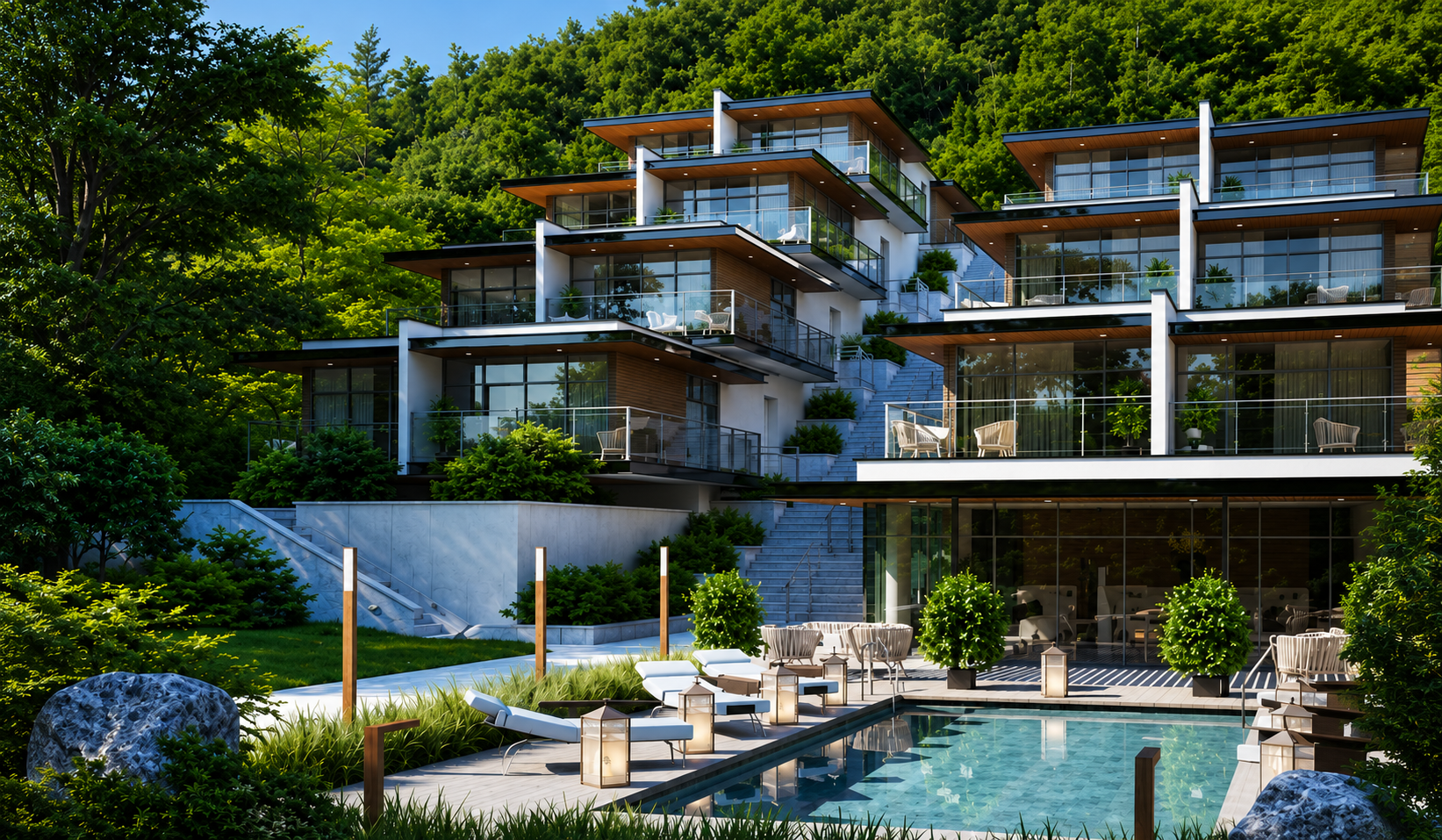
Disclaimer: The information herein is based upon information obtained in good faith from sources believed to be reliable. All such information and opinions can be subject to change. Furthermore, the image featured in this article is for representation purposes only. It does not in any way represent the project. If you wish to remove or edit the article, please email editor@biltrax.com.
 0
0Discover more from Biltrax Media, A Biltrax Group venture
Subscribe to get the latest posts sent to your email.