

In the heart of Pune, a city commonly referred to as the Oxford of the East, Wellington College International (WCI) marks a significant milestone in K-12 education campus design. Education Design International (EDI) has designed the institute’s interiors to foster a sense of community amongst its users. Drawing from 150 years of Wellington’s legacy, the institute approaches learning by combining innovative campus design with a commitment to holistic intellectual development and the highest academic standards.
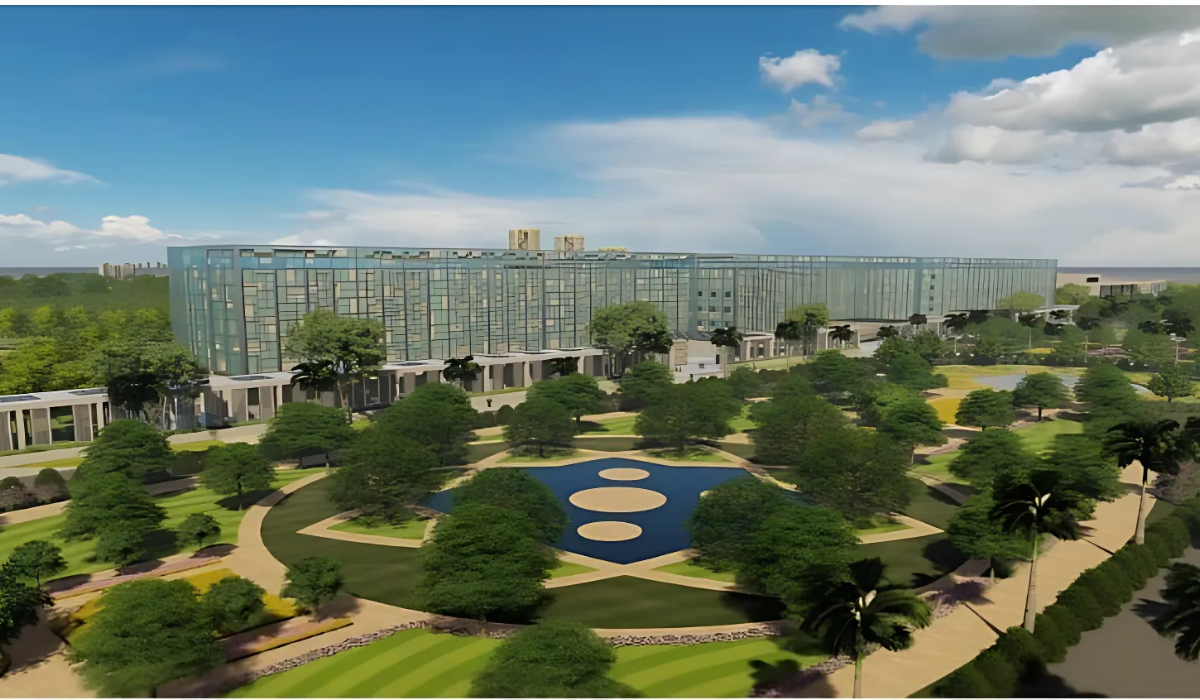
Spread across 9.3 Acres, this 375,000 SqFt campus accommodates 1,000 students and blends cutting-edge educational thinking with deep respect for local context and heritage. The overall design of Wellington College International, Pune, champions flexibility and adaptability, ensuring the school evolves in tandem with changing educational needs. The result is a world-class learning environment that is both future-ready and culturally rooted.
A Vision for Future-Focused Learning at Wellington College
At the heart of the project lies the concept of a “learning village”—a thoughtfully created spatial strategy that nurtures exploration, promotes interaction, and strengthens connections among learners, educators, and the broader school community. Learning clusters form the building blocks of this village, offering flexible, multi-zoned spaces that adapt to a variety of pedagogical approaches. These clusters are connected through transparent and operable partitions, creating a seamless flow that encourages collaboration among students and educators alike.
This arrangement fosters daily interaction, shared ownership, and mutual learning. Every space empowers students to take ownership of their learning, offering them choices in how, where, and with whom they learn. From flexible learning studios and open collaboration zones to quiet corners for reflection, each environment supports a wide spectrum of learning modalities. The school interiors at Wellington College evolve in tandem with the natural arc of a young learner’s developmental stages. The nurturing environment of the early years transitions into the more dynamic and self-directed atmosphere of the senior school.
Also Read: Osaka, Hyderabad | FellowYellow


Designed for Adaptability at Wellington College
The design team has crafted the interior as a thoughtful extension of the institution’s distinguished identity, making it welcoming, inspiring, and safe. It supports academic excellence while nurturing a strong sense of community and belonging. The spatial design reflects the brand’s core values and character, translating Wellington’s ethos into tangible, experiential environments.
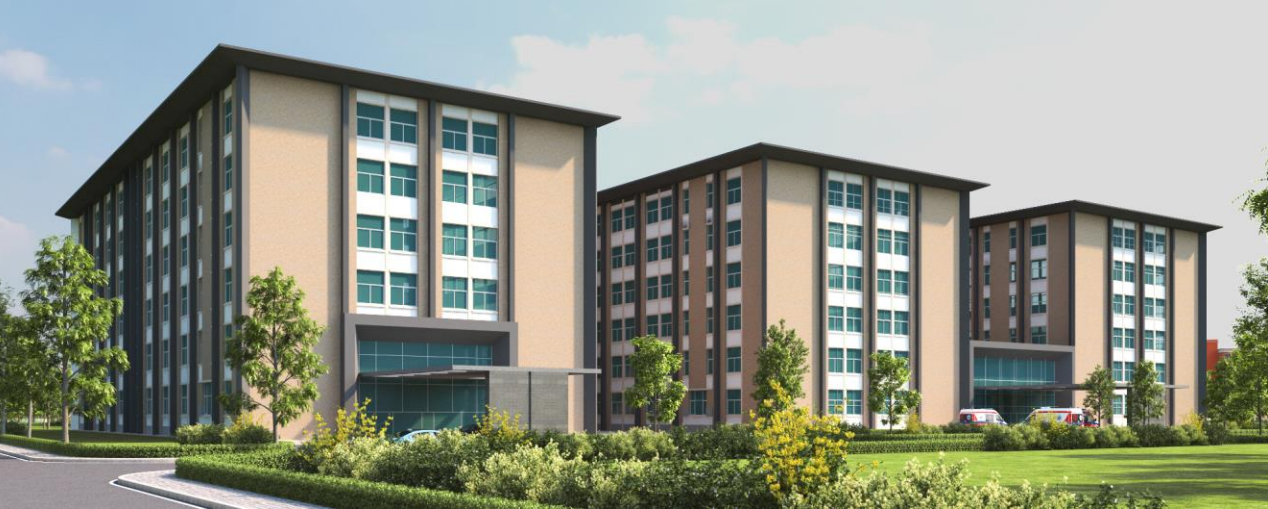
The spatial layout consists of four blocks along the east-west axis, with the outdoors extending into play areas along the river belt on the southern edge. Open central courtyards, semi-open spaces, and terraces on the upper floors create open pockets for light, ventilation, and recreation. Co-curricular areas form the core, enabling the entire school to engage and participate in various activities.
The overall foundation of the design lies in creating spaces that spark curiosity and connection. Wide internal staircases, referred to as the ‘Learning Stairs,’ were introduced into the early years zone. These serve as both circulation and as informal zones for gathering, interaction, and reflection. Every design move is intended to enhance the student experience through spatial storytelling.


Also Read: Milaaya Artful Partitions Redefine Spatial Luxury
The learning environment is defined by its versatility and inclusivity. It celebrates the individuality of each learner while fostering meaningful engagement through a wide array of spatial experiences. Thoughtfully designed reading nooks, stepped seating, and casual meeting zones accommodate both focused study and informal interaction. Consequently, these spaces support varied learning styles, abilities, and pedagogical approaches.
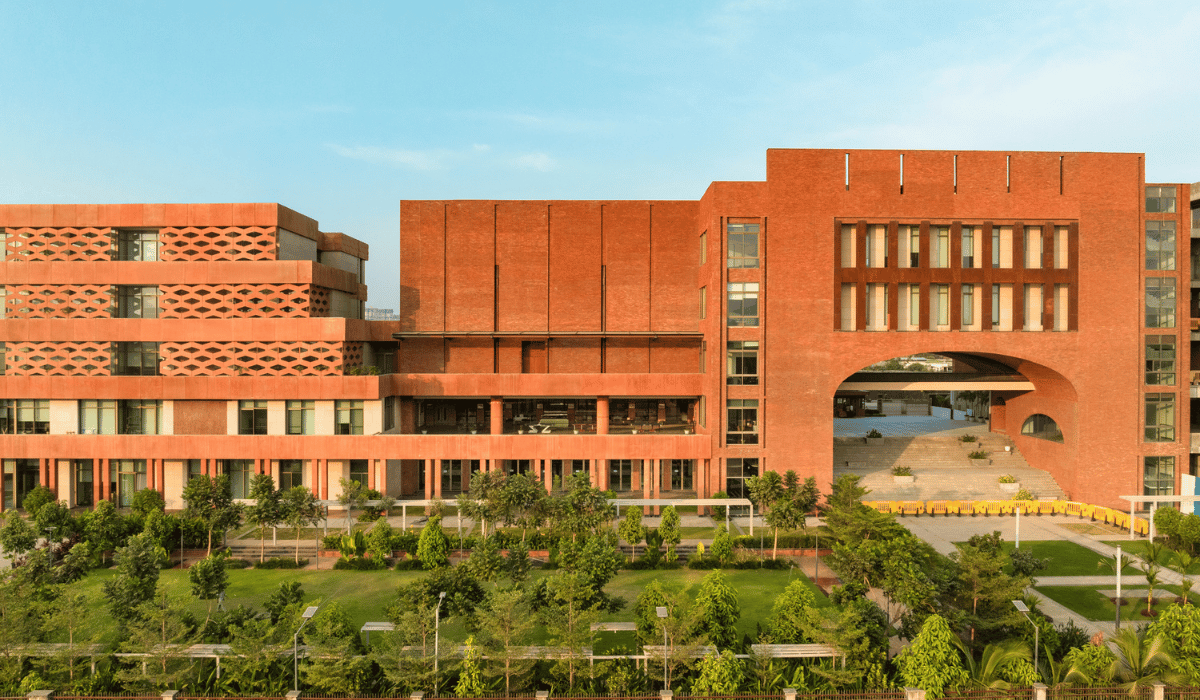
The stairs and cloisters feature bare elements, such as brick and concrete. These are carried in from the exterior, while natural materials, like granite and marble, cover the interior floors. A warm, neutral material palette—highlighted by natural wood and brick—infuses the interiors with a sense of timelessness and comfort. For the Early Years and Primary Years zones, the material palette is warm, soft, and calming. It is intended to evoke a sense of home and security. Intimate volumes with playful design elements meet the children’s developmental needs with open plans for internal transparency, passive monitoring and ease of movement.
Biophilic Integration and Spatial Continuity

The primary learning areas or the higher grades break out into spaces that are more formal. These further accommodate independent study, open discussion and collaborative zones. Generous ceiling heights in common areas enhance openness, while acoustic panels maintain sound quality. These areas also feature informal seating around green spaces and overlooking the atrium. Lightweight furniture enables various arrangements and flexibility in teaching and learning. As students progress to middle and high school, the design transitions into more structured and expressive spaces, marked by deeper tones and bolder materials.
Throughout the structure, the transition from exterior to interior is softened by biophilic elements in the building envelope, balancing the solidity of the built form. The spatial layout and circulation paths create visual connections and interior vistas that incorporate these green elements. To support all learning abilities, inclusive spaces enable students to engage intentionally with their surroundings. These also encourage free expression and exploration, and helping them cultivate their own individuality at Wellington College.

Honouring Heritage, Embracing Innovation
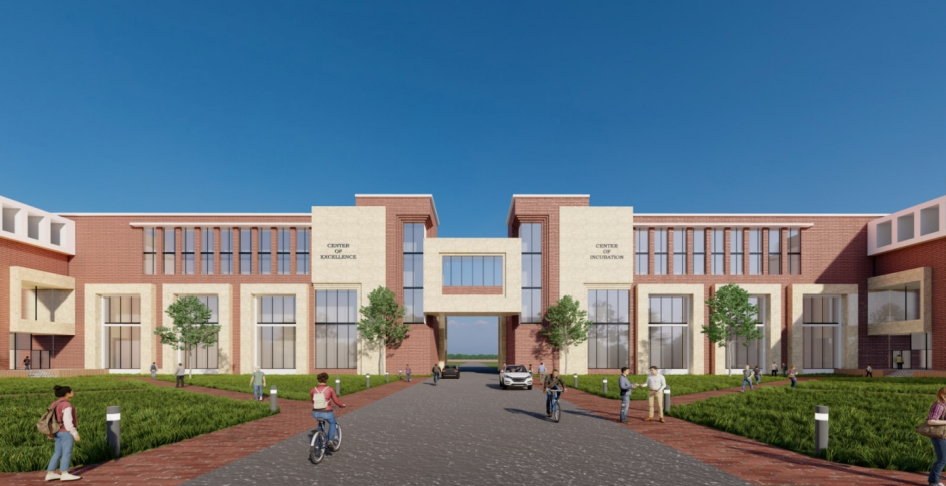
The design draws inspiration from the stately architecture of Wellington College, seamlessly integrating traditional elements such as arched openings and refined detailing. These features weave the contemporary framework, paying homage to Pune’s rich architectural legacy while projecting a progressive, global identity. Meanwhile, the arches and brick jaalis abstract in clean lines and modern materials.
Complementing this is the overall authenticity of the structure, flow of spaces and use of earthy materials. The design contemporises and simplifies the school’s arches, framing views, softening pathways, and evoking a sense of rhythm across the campus. In this context, the material palette of the exterior extends into the interior, and the arch become a unifying symbol that bridges both styles.
While designing Wellington College International, a historic educational legacy is reinterpreted to suit the 21st-century context of Pune. In a city shaped by British colonial heritage, the archetypal school structure is reimagined as an institution that is more than a place for instruction. It is where learners are also co-creators of a structure’s vibrant and evolving community.
Also Read: Home Bar Design as the New Centrepiece of Entertaining


Project Details:
| Name of Project | Wellington College International (WCI) |
| Location | Pune |
| Total Built-up Area | 375,000 SqFt |
| Architect | – Concept Architect: MICA Architects – Principal Architect: ARCOP Associates – Interior Design: Education Design International (EDI) – Landscape Design: Integral Designs International Studio Pvt Ltd |

Biltrax Construction Data is tracking 38,000+ projects on their technology platform for their clients.
Get exclusive access to upcoming projects in India with actionable insights. Gain a further competitive advantage for your products in the Indian Construction Market.
Visit www.biltrax.com or email us at contact@biltrax.com to become a subscriber and generate leads.
Disclaimer: The information herein is based upon information obtained in good faith from sources believed to be reliable. All such information and opinions can be subject to change. Furthermore, the image featured in this article is for representation purposes only. It does not in any way represent the project. However, if you wish to remove or edit the article, please email editor@biltrax.com.
 0
0Discover more from Biltrax Media, A Biltrax Group venture
Subscribe to get the latest posts sent to your email.