


The built environment rests on one fundamental pillar: materials. From small residential projects to large-scale infrastructure, every structure begins with a material decision. These choices influence cost, durability, sustainability, and long-term performance. Yet, despite their importance, construction materials often remain loosely defined or misunderstood across the industry.
This article explains what construction materials are, how they are classified, and why they matter more than ever in today’s evolving construction landscape. Whether you design, build, or supply, this breakdown offers a clear and practical reference.
Understanding Construction Materials
Construction materials are the physical substances used to create buildings, infrastructure, and industrial structures. These materials form the structural framework, exterior envelope, interior finishes, and service systems of a project.
However, the definition does not stop at bricks and cement. Modern construction now includes advanced composites, engineered products, and sustainable alternatives that respond to new performance and environmental demands.
Why Construction Materials Matter More Today
Construction today operates under tighter budgets, stricter regulations, and higher performance expectations. As a result, material selection now plays a strategic role rather than a purely technical one.
Here’s why materials matter more than ever:
- They directly affect project cost and timelines
- They influence structural safety and longevity
- They determine energy efficiency and carbon footprint
- They impact aesthetics, comfort, and usability
- They shape maintenance requirements over the building’s life cycle
In short, informed material decisions reduce risk and improve outcomes across the project value chain.
Types of Construction Materials Used Across the Industry
Construction materials fall into several broad categories based on their function and composition. Each category serves a specific purpose and responds to different project needs.
Structural Materials
These materials carry loads and ensure stability. They form the backbone of any structure.
Common examples include:
- Cement and concrete
- Steel and reinforcement bars
- Bricks and blocks
- Stone and masonry units
- Timber and engineered wood
Each option offers a different balance of strength, flexibility, cost, and environmental impact.
Finishing Materials
Finishing materials define the visual and tactile experience of a space. They also contribute to protection and durability.
These include:
- Flooring materials such as tiles, wood, and stone
- Wall finishes like plaster, paint, panels, and cladding
- Ceiling systems and decorative elements
While often seen as aesthetic choices, finishing materials also affect acoustics, fire safety, and maintenance.
Building Envelope Materials
The building envelope separates interior spaces from external conditions. It plays a critical role in energy performance.
Key materials include:
- Glass and glazing systems
- Façade cladding
- Roofing materials
- Insulation products
A well-designed envelope improves thermal comfort and reduces operational costs.
Service and Utility Materials
These materials support building services and functionality.
Examples include:
- Electrical conduits and wiring
- Plumbing pipes and fittings
- HVAC ducts and insulation
- Fire protection systems
Although hidden, these materials are essential to performance and compliance.

Construction Materials in Modern Practice
The industry no longer relies only on traditional materials. Innovation now drives material development, driven by efficiency, sustainability, and speed.
Engineered and Composite Materials
Engineered materials combine multiple components to improve performance. Examples include engineered wood products, fiber-reinforced concrete, and composite panels. These materials often offer better strength-to-weight ratios and design flexibility.
Sustainable and Green Materials
Sustainability has shifted from a trend to a requirement. Projects now prioritize materials with lower environmental impact.
These include:
- Recycled aggregates and metals
- Fly ash and slag-based cement
- Bamboo and renewable timber
- Low-VOC finishes and coatings
Such choices support green building certifications and regulatory compliance.
Smart and High-Performance Materials
Advanced materials now respond to environmental conditions or improve building intelligence. Self-healing concrete, phase-change materials, and high-performance glazing fall into this category. These innovations improve durability and long-term efficiency.

How to Choose the Right Construction Materials
Material selection should never rely on cost alone. Instead, it requires a balanced evaluation of performance, availability, and life-cycle impact.
Key factors to consider include:
- Structural and functional requirements
- Climate and site conditions
- Budget and project timeline
- Compliance with codes and standards
- Maintenance and replacement costs
- Environmental impact
Early coordination between designers, engineers, contractors, and suppliers ensures better decisions and fewer revisions later.
The Role of Construction Materials in Project Success
Construction materials directly influence project quality and risk. Poor material choices often lead to delays, defects, and cost overruns. On the other hand, informed selection improves constructability and long-term value. These materials shape how buildings perform, age, and impact the environment. As the industry evolves, material awareness becomes a shared responsibility rather than a specialist concern.
For industry professionals, material knowledge supports better design decisions; for suppliers and manufacturers, it aligns product development with market demand. In every case, materials sit at the core of construction outcomes. Understanding material categories, applications, and emerging trends helps stakeholders make informed decisions. More importantly, it supports safer, smarter, and more sustainable construction practices.
In today’s industry, knowing your materials is no longer optional. It is essential.
This article sets the foundation for understanding construction materials at a broad level. The next articles in this series explore applications based on definitions. The upcoming article, “Types of Construction Materials Used in India: A Practical Guide,” breaks down material usage across Indian construction projects, considering climate, availability, cost, and regional practices. It serves as a practical reference for professionals and stakeholders working within the Indian AEC ecosystem.
Also Read:
Top 10 Upcoming Mega Projects in India
Smart Buildings 2025: Trends, Technologies, and their Impact on Construction
Maharashtra Housing Policy 2025: What it means for the Construction Sector

Biltrax Construction Data is tracking 37,000+ projects on their technology platform for their clients.
Get exclusive access to upcoming projects in India with actionable insights. Gain a further competitive advantage for your products in the Indian Construction Market.
Visit www.biltrax.com or email us at contact@biltrax.com to become a subscriber and generate leads.
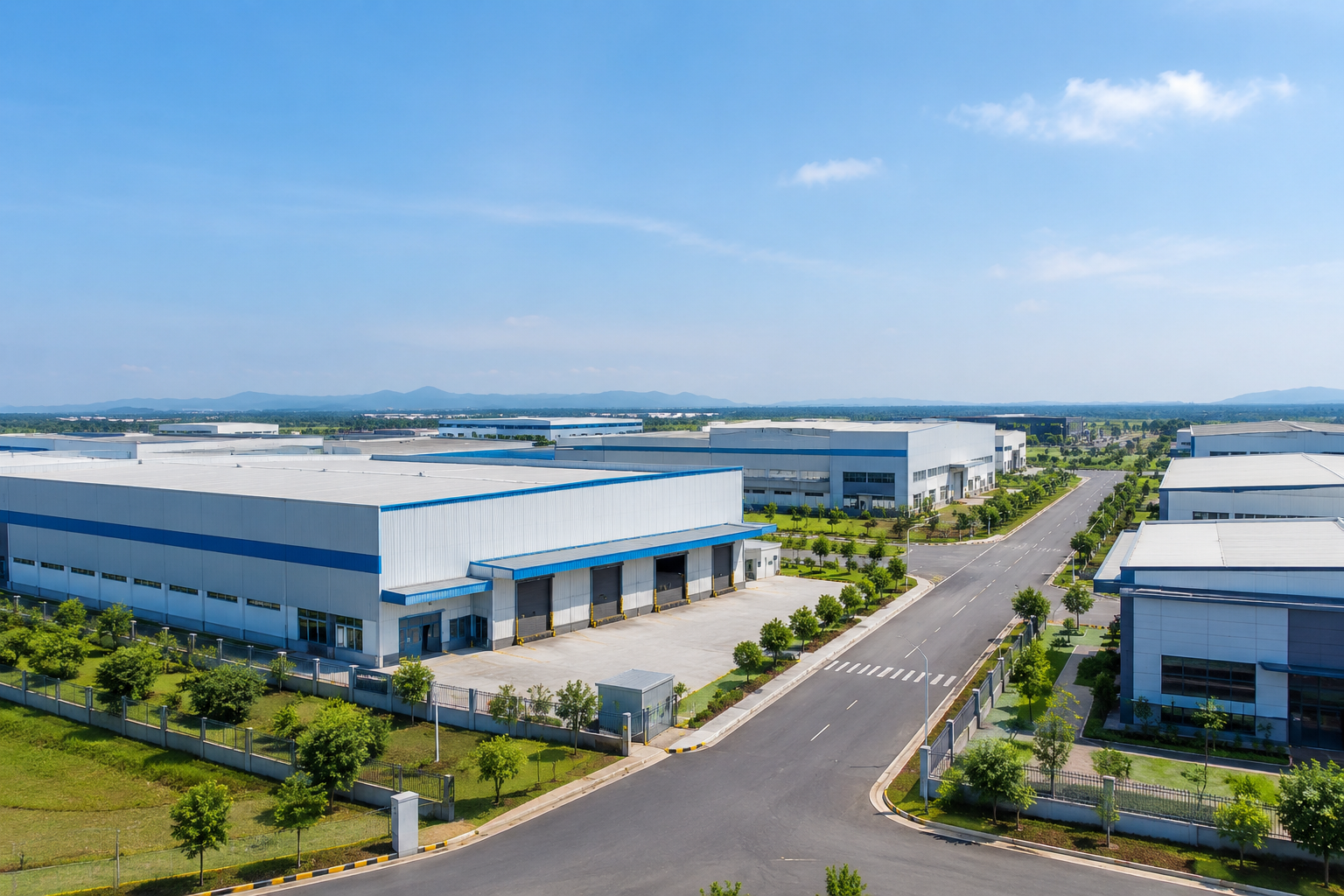
Disclaimer: The information herein is based upon information obtained in good faith from sources believed to be reliable. All such information and opinions can be subject to change. Furthermore, the image featured in this article is for representation purposes only. It does not in any way represent the project. If you wish to remove or edit the article, please email editor@biltrax.com.
 0
0Discover more from Biltrax Media, A Biltrax Group venture
Subscribe to get the latest posts sent to your email.