

Aayush Arya, Founder and Principal Designer of 6Hues Architecture Studio, brings a distinct, research-driven perspective to contemporary architectural discourse. With a background in technology journalism, Arya approaches design with a sharp analytical lens, combining storytelling with spatial intelligence. His practice has consistently emphasized context-led, climate-responsive architecture, positioning 6Hues at the forefront of a new wave of Indian design thinking that prioritizes both performance and cultural relevance.
Climate-Responsive Façade Design is Reshaping Indian Architecture
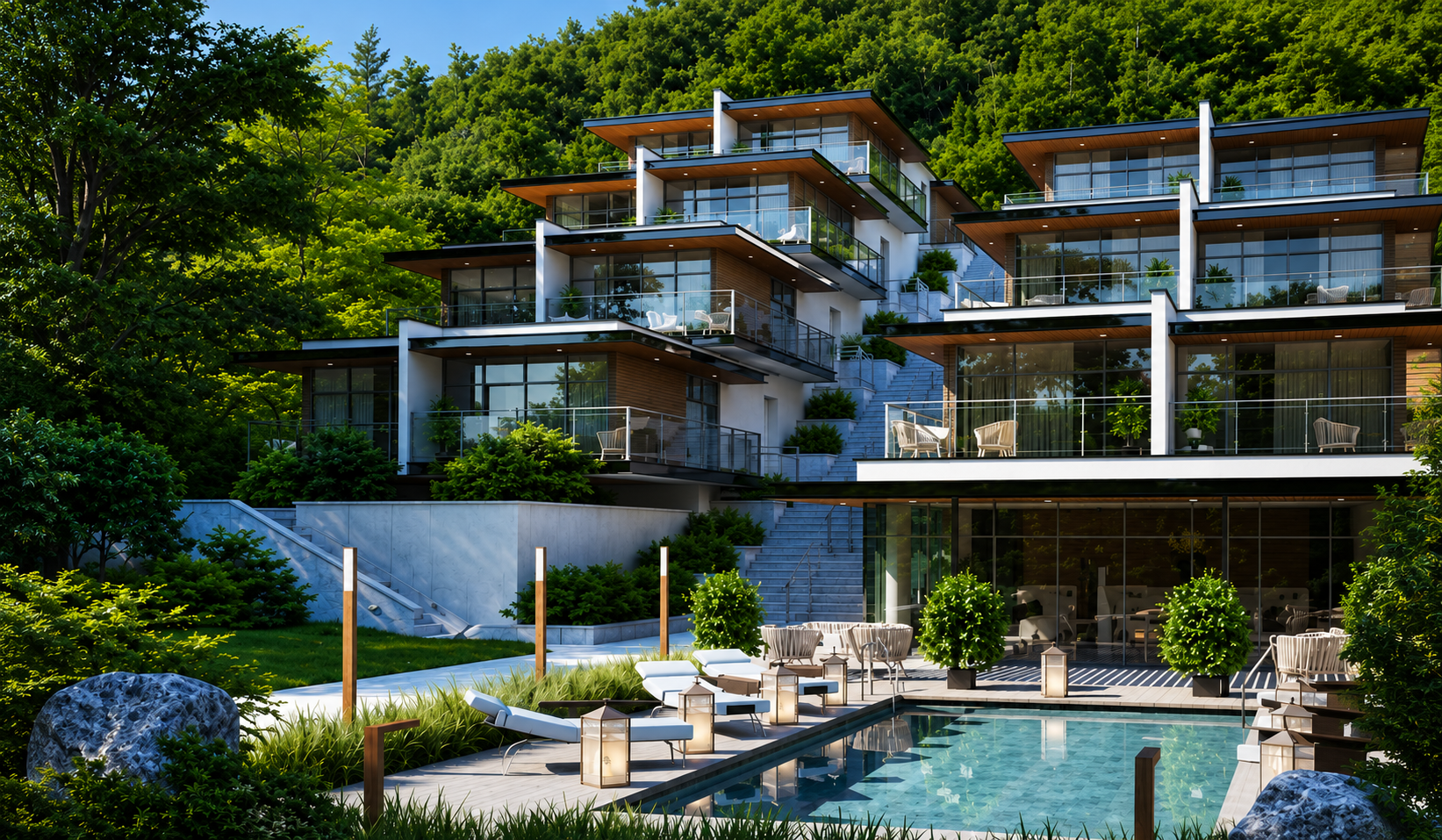
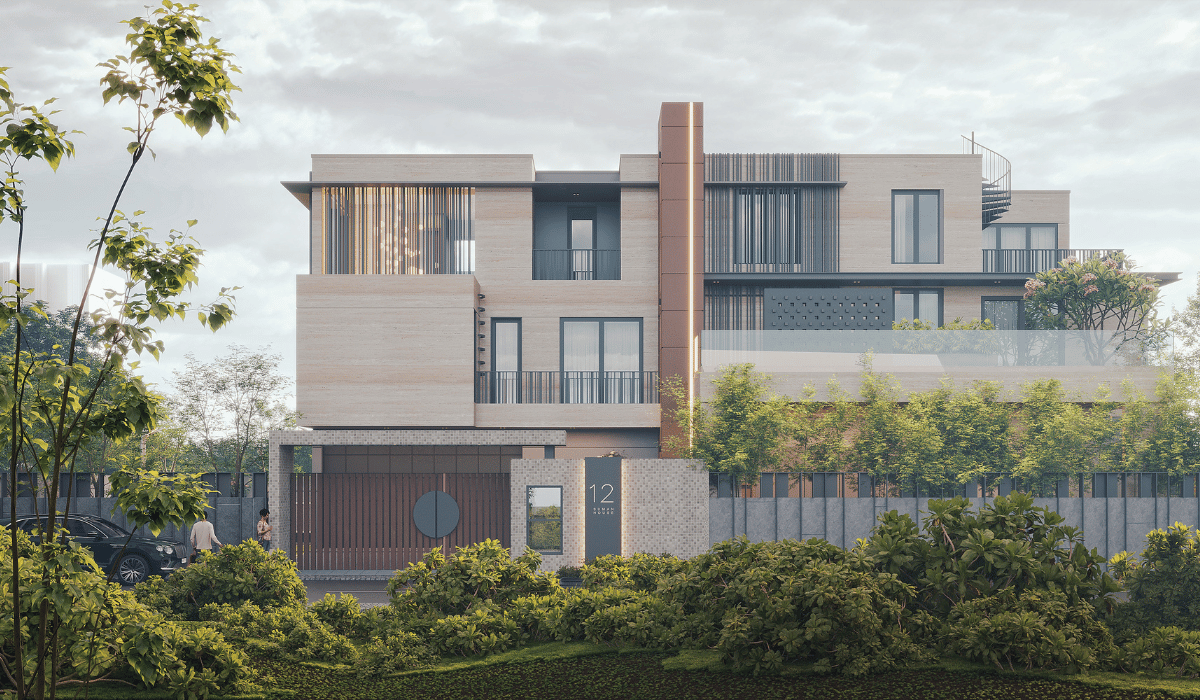
By 2025, climate-responsive façade design in India marked a decisive shift away from the long-dominant glass-heavy, Western-inspired aesthetic. Architects across the country began to critically reassess the viability of fully glazed façades in India’s harsh climatic conditions. High solar exposure, heat gain, and increased cooling loads made it evident that transparency alone could not define contemporary architecture.

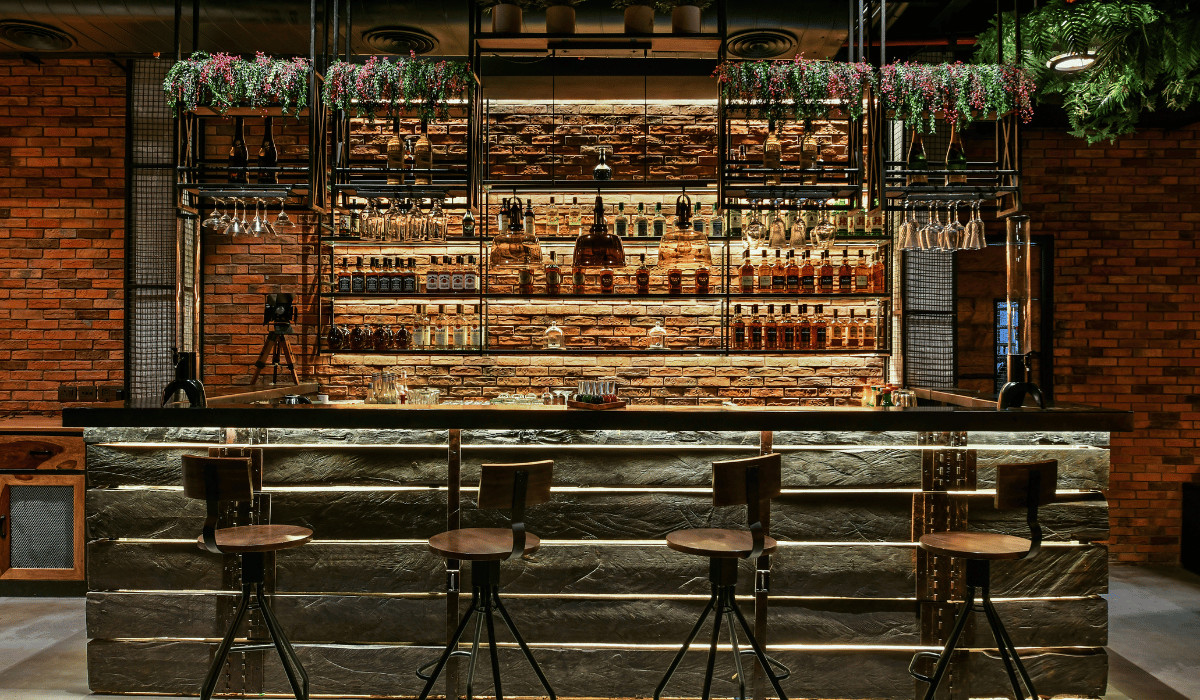
Architects responded by incorporating shading systems, layered façades, screens, and solar-control glazing into their projects. Materials such as exposed brick, sandstone, limestone, and terracotta regained prominence because of their thermal mass, durability, and strong connection to place. The focus shifted from visual lightness to environmental performance, marking a return to grounded, climate-responsive façade design that prioritizes occupant comfort and energy efficiency.
Technology is Driving the Next Generation of Façades
As the industry progresses into 2026, climate-responsive façade design continues to become more refined and technologically integrated. Developers and architects are adopting high-performance systems such as double-glazed units (DGU) more widely to balance transparency with insulation and comfort. At the same time, façades are evolving into hybrid systems by combining glass with solid, earthy materials and integrated shading devices.
A key emerging direction is the incorporation of dynamic lighting within façades, transforming buildings into adaptive, expressive surfaces after dark. This convergence of material intelligence, environmental responsiveness, and technological innovation signals a future where façades no longer serve as static envelopes. Instead, they actively respond to climate, enhance building performance, and redefine climate-responsive façade design for modern architecture.

Also Read:
“Engineering My Own Path” – A Conversation with Sheetal Bhilkar
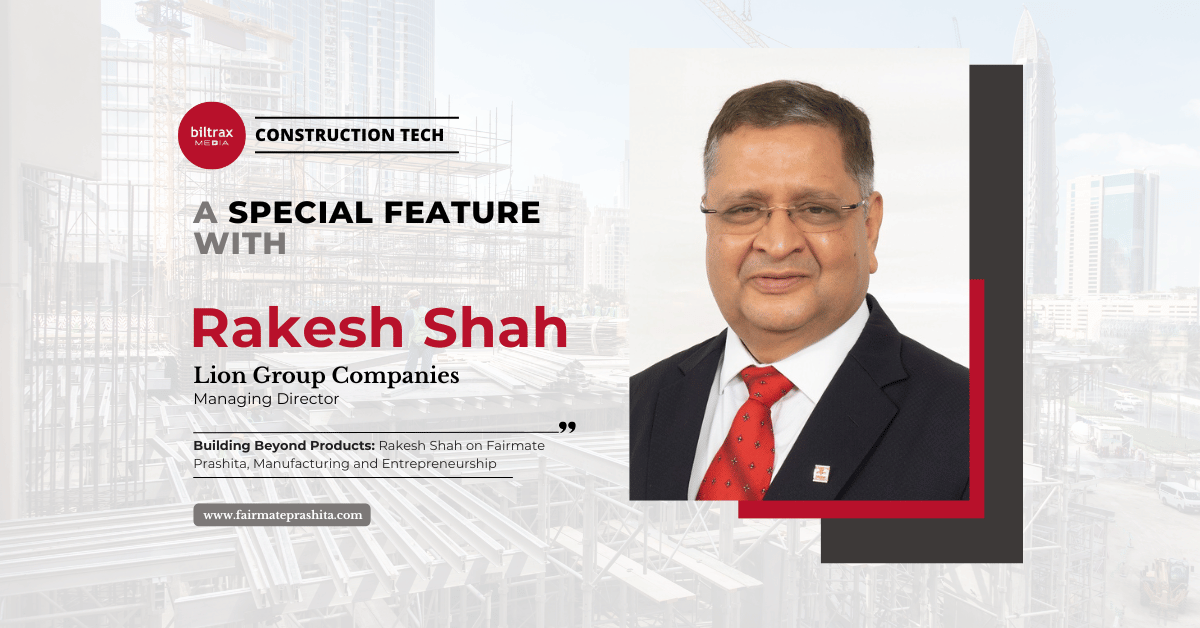
Building Beyond Products: Mr Rakesh Shah on Fairmate Prashita, Manufacturing and Entrepreneurship

Biltrax Construction Data is tracking 65,000+ projects on their technology platform for their clients.
Get exclusive access to upcoming projects in India with actionable insights. Furthermore, gain a competitive advantage for your products in the Indian Construction Market.
Visit www.biltrax.com or email us at contact@biltrax.com to become a subscriber and generate leads.
Disclaimer: The information herein is based upon information obtained in good faith from sources believed to be reliable. All such information and opinions can be subject to change. Furthermore, The image featured in this article is for representation purposes only. It does not in any way represent the project. If you wish to remove or edit the article, please email editor@biltrax.com.
 0
0Discover more from Biltrax Media, A Biltrax Group venture
Subscribe to get the latest posts sent to your email.