

The construction and infrastructure sector is entering a new phase of evolution. Earlier, the industry focused primarily on scale, execution speed, and cost optimisation. However, today, the conversation is shifting toward innovation, collaboration, and long-term value creation.
In India, this transition has become increasingly important as infrastructure projects grow in complexity and scale. Traditional execution models can no longer address emerging industry challenges alone. Instead, the sector must adopt digital systems, benchmarking frameworks, sustainability practices, and data-driven decision-making.
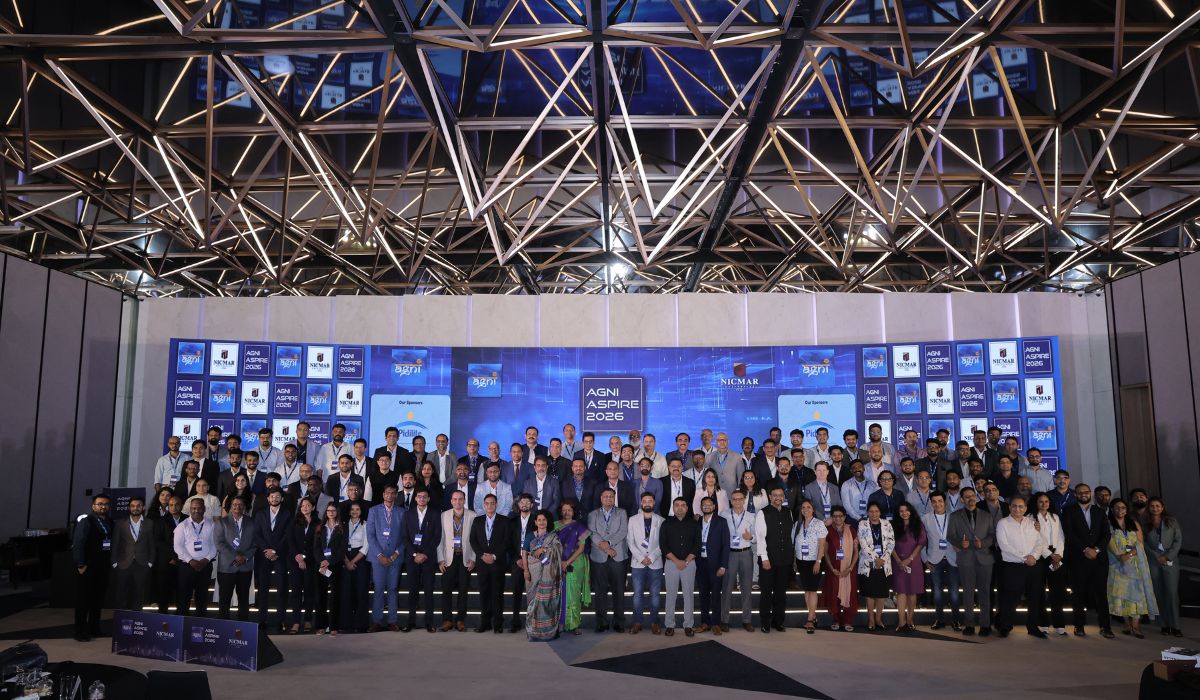
At ASPIRE 2026, hosted by the Association of Global NICMARians (AGNI), industry leaders highlighted the urgent need to move from isolated innovation toward large-scale implementation. Through this article with Biltrax Media, AGNI explores how stronger collaboration, benchmarking, and technology adoption can shape the future of India’s built environment sector.
AGNI and the Need for Industry Collaboration
The construction industry operates through interconnected stakeholders, including developers, contractors, consultants, technology providers, and policymakers. Therefore, transformation cannot happen in silos. It requires collaboration across the entire ecosystem. At ASPIRE 2026, AGNI brought together professionals from construction, infrastructure, real estate, and project management sectors to discuss the future of the industry. The discussions focused on innovation, AI adoption, sustainability, and data-led execution strategies.
Additionally, the symposium highlighted the importance of knowledge-sharing and benchmarking systems. These frameworks help organisations measure operational efficiency, identify performance gaps, and improve project execution standards. The collaboration between AGNI and CIDC further reinforced this direction. Both organisations emphasised the need to strengthen workforce capabilities, improve technical standards, and accelerate innovation adoption across the sector. As a result, AGNI aims to evolve beyond a professional network and emerge as a leading industry think tank.
Technology and Benchmarking Initiatives by AGNI
Technology is no longer an optional layer within infrastructure development. Instead, it has become central to operational efficiency and industry growth. Digital platforms, benchmarking systems, and analytical tools now influence how companies evaluate performance and improve execution outcomes. As part of its long-term vision, AGNI announced the development of a digital ecosystem featuring multiple industry-focused tools. These include the AGNI Innovation Impact Assessment Tool, Salary Benchmarking Tool, Company Benchmarking Tool, Material Costing Tool, and Vendor Portfolio Platform.
These initiatives aim to improve transparency and create measurable industry standards. At the same time, they encourage organisations to move beyond isolated innovation and focus on scalable implementation. The industry is also recognising that benchmarking creates accountability. It allows companies to compare processes, costs, and performance more effectively. Consequently, decision-making becomes more structured and data-driven.
Innovation Adoption and Industry Responsibility
The construction sector often celebrates ideas. However, innovation creates value only when the industry adopts it at scale. Therefore, implementation remains equally important. This approach formed a key focus area during the launch of the first edition of the AGNI Excellence Awards at ASPIRE 2026. The initiative recognised innovations capable of creating measurable impact across the construction ecosystem. More importantly, it created a platform where startups and innovators could directly engage with industry users and decision-makers.
At the same time, the industry must rethink its broader responsibilities. Future growth will depend on sustainable execution, workforce development, and operational resilience. Architects, engineers, contractors, consultants, and technology providers must collectively contribute toward building more efficient and future-ready systems.
The Future Vision of AGNI
Ultimately, AGNI’s larger vision extends beyond industry discussions and networking platforms. The organisation aims to support long-term transformation through thought leadership, benchmarking, collaboration, and innovation adoption.
In a rapidly developing economy like India, the construction sector must move beyond fragmented innovation and adopt integrated strategies that improve productivity, sustainability, and execution quality. This transition will define how the built environment evolves over the coming decades.
By combining innovation, benchmarking, collaboration, and implementation, AGNI aims to contribute toward a more resilient and future-ready construction ecosystem.
Also Read:
Spaces That Feel Like Golden Hour: 7 Projects Designed Around Natural Warmth
Lodha Belmondo Duplex, Pune | Tejomaya Architects & Interior Designers
Fabbrica 2026 Seating Collection for Contemporary Living

Biltrax Construction Data is tracking 38,000+ projects on their technology platform for their clients.
Get exclusive access to upcoming projects in India with actionable insights. Furthermore, gain a competitive advantage for your products in the Indian Construction Market.
Visit www.biltrax.com or email us at contact@biltrax.com to become a subscriber and generate leads.
Disclaimer: The information herein is based upon information obtained in good faith from sources believed to be reliable. All such information and opinions can be subject to change. Furthermore, The image featured in this article is for representation purposes only. It does not in any way represent the project. If you wish to remove or edit the article, please email editor@biltrax.com.
 0
0Discover more from Biltrax Media, A Biltrax Group venture
Subscribe to get the latest posts sent to your email.