

For much of its recent history, NCR’s growth story was told through a handful of established centers like Delhi, Gurugram, Noida and their immediate extensions. But that geography is rapidly changing.
NCR is becoming more interconnected and more decentralised at the same time. The proposed Regional Plan 2041 is built around this idea: to create stronger links between cities, distribute economic activity, develop new urban centres, and reduce pressure on established hubs. The plan is expected to accommodate more than three crore additional residents and could unlock around 20 Lakh INR-Crore in investment across housing, transport and civic infrastructure. That is the larger context in which emerging micromarkets need to be viewed.
NCR Is Decentralising And Sonipat Is Part of That Shift
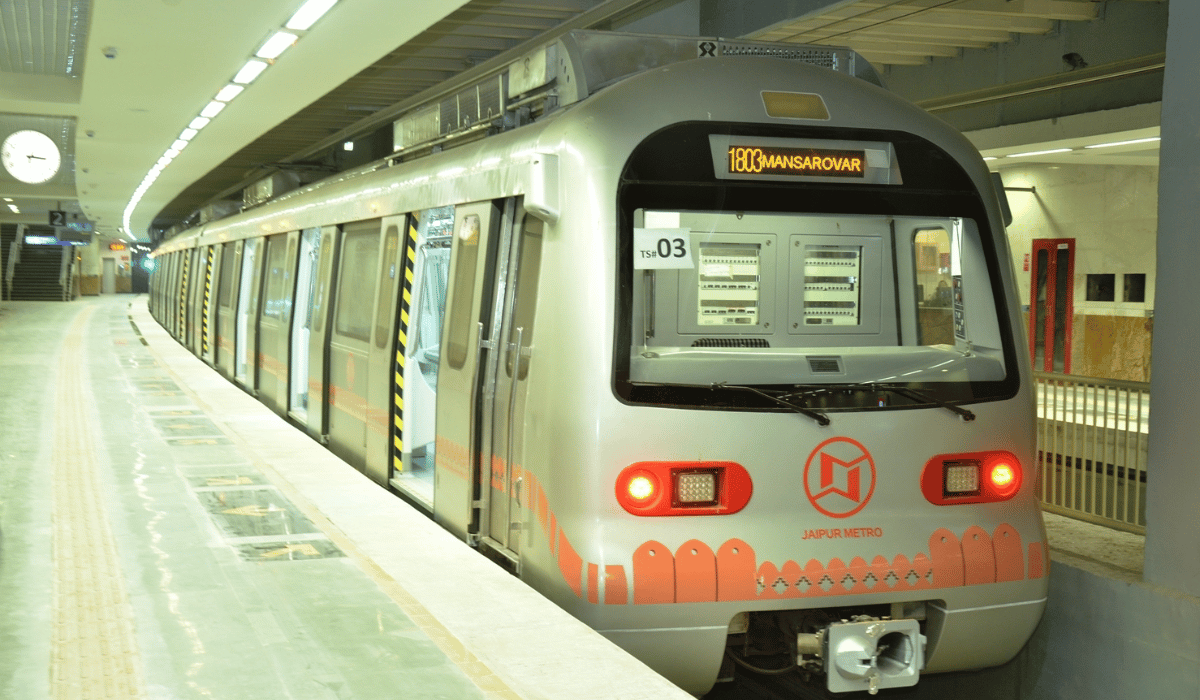
Sonipat, a case in point, is not benefiting from one infrastructure project in isolation. The 5,580 INR-Crore UER-II has strengthened its road connectivity, while the proposed 136 Km Namo Bharat corridor is designed to connect Delhi with Sonipat, Ganaur, Panipat and Karnal. The wider regional mobility network, including RRTS and metro expansion, is creating a more connected NCR rather than a collection of isolated cities. The NCR Planning Board has also proposed four new greenfield “Namo Cities” along RRTS corridors as part of this model.
While all this will make commuting faster, reliable connectivity will significantly change the region’s economic geography as well. Once travel between employment centres, commercial districts and residential locations becomes more predictable, the question for a buyer or investor changes from “How far is this from Delhi?” to “How well is this connected to the places I need to reach?” That shift is already influencing how NCR real estate is being assessed.
Sonipat Urban Expansion Is Rewriting Its Economic Geography
In our experience, infrastructure is one of the first things investors examine, but it is no longer enough to just look at a transit line. What matters is whether infrastructure translates into a broader ecosystem of employment, commercial activity, social infrastructure, and organised development. This is where Sonipat’s opportunity becomes particularly interesting.
Beyond residential real estate alone, better connectivity can expand employment catchments and bring greater institutional attention to land and development. As these forces converge, land planning and development are also gradually formalising. This makes Sonipat urban expansion increasingly dependent on how infrastructure connects with employment, commercial activity and organised development.
The Next Opportunity Lies In Planned Urban Growth
For the real estate sector, that is an important shift. Emerging markets can often be driven initially by speculation around future infrastructure. But as projects progress on-ground, the basis for evaluating land becomes more tangible. That is why we believe the infrastructure cycle should be read through milestones: announced, approved, under construction, operational, and then integrated with the surrounding urban ecosystem. Land value should ultimately follow verifiable infrastructure delivery, not just expectations. We have applied this principle when evaluating newer markets ourselves.
In Sonipat, this also creates an opportunity to build a different kind of urban market. Once a 35-minute commute to Delhi becomes a realistic proposition rather than an aspiration, the pool of people who’ll consider Sonipat liveable expands well beyond those already working or living there. Buyers can begin looking for more space, better planning, stronger infrastructure and communities designed around longer-term needs. This makes planned development increasingly important to Sonipat urban expansion.
Sonipat’s Future Will Be Shaped by How Its Land Is Developed
As a connected city needs housing stock, it also needs proper road hierarchy, reliable utilities, schools, healthcare, retail, recreation, and community infrastructure. It needs regulatory clarity and developments where the land, infrastructure and eventual built environment are planned together.
This is particularly relevant to plotted development. The right way to evaluate a plot in a corridor like this was never just the price per square yard. It is ownership certainty, the quality of planning around it, the infrastructure actually committed to the site, and whether the paperwork behind it will hold up decades from now. When connectivity opens up new urban areas, the opportunity is to create organised communities where all four fundamentals work together.
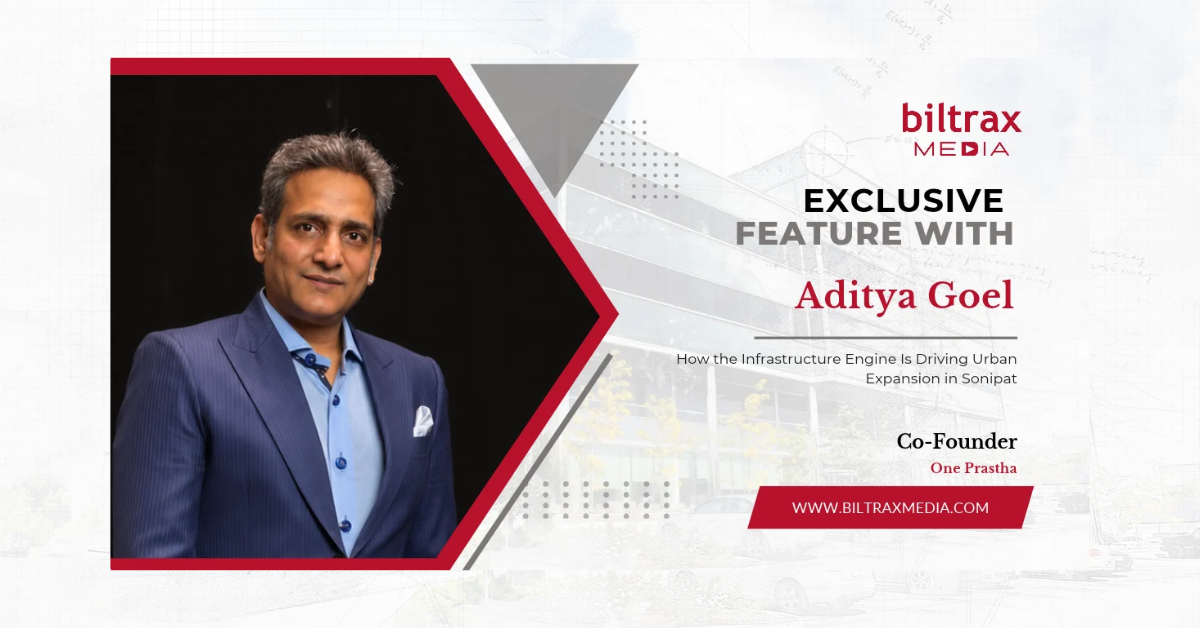
Sonipat’s story, therefore, should not be reduced to being the next affordable alternative to Delhi or Gurugram. It is increasingly becoming part of a larger NCR urban system. The infrastructure being built today is changing how people move, where economic activity can locate, where businesses can expand, where people choose to live and how land gets developed.
The opportunity for Sonipat urban expansion is ultimately bigger than absorbing NCR’s overflow. It is to shape the next phase of NCR’s expansion. Infrastructure creates connectivity. Planning determines the urban form. And the quality of development around that infrastructure will determine what kind of city Sonipat becomes.
Also Read:
L’Oreal Regional Office, Kolkata | GroupDCA
CasaDigi explains the basics of home automation for modern living
High-Rise Engineering Should Be Measured by How a Home Performs Over Time

Biltrax Construction Data is tracking 65,000+ projects on their technology platform for their clients.
Get exclusive access to upcoming projects in India with actionable insights. Furthermore, gain a competitive advantage for your products in the Indian Construction Market.
Visit www.biltrax.com or email us at contact@biltrax.com to become a subscriber and generate leads.
Disclaimer: The information herein is based upon information obtained in good faith from sources believed to be reliable. All such information and opinions can be subject to change. Furthermore, The image featured in this article is for representation purposes only. It does not in any way represent the project. If you wish to remove or edit the article, please email editor@biltrax.com.
 0
0Discover more from Biltrax Media, A Biltrax Group venture
Subscribe to get the latest posts sent to your email.